How to Prepare for a Flood: A Home Checklist From Coverage to Inventory
Most flood prep advice starts with sandbags. This guide starts with the gaps in your coverage, because knowing what your policy won't pay for tells you exactly what to protect, document, and carry upstairs first.
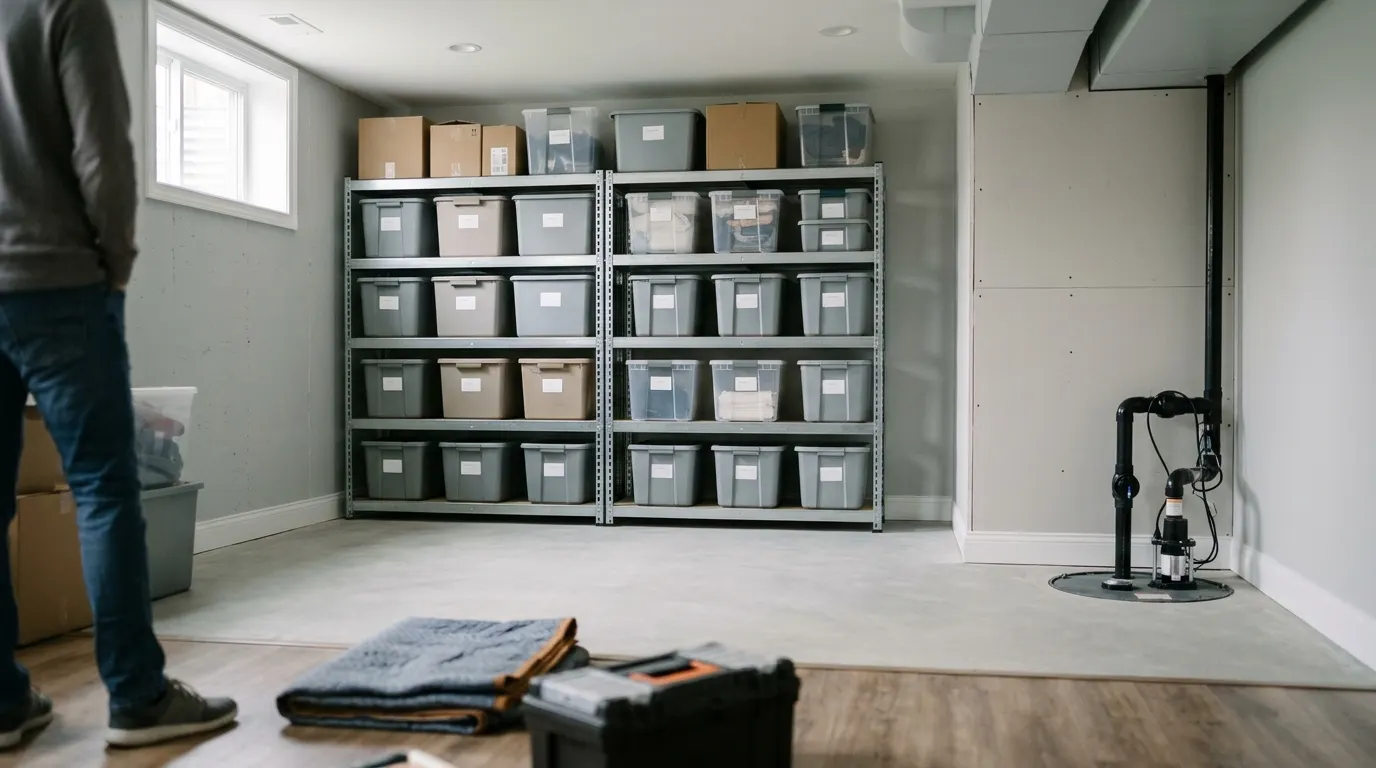
Start with one question most checklists skip: if water came in tonight, which of your things would your policy actually pay for? Flooding is one of the most common natural disasters, and it can reach homes far from any river or coast. Heavy rain, a failed storm drain, or snowmelt can put water in a basement that has never been wet before. Your answer to that question decides what you move, what you photograph first, and whether you need more coverage.
Does homeowners insurance cover flooding?
Usually not. Standard homeowners and renters policies typically exclude flood damage, so flood coverage comes from a separate policy through the National Flood Insurance Program (NFIP) or a private flood insurer.
This surprises a lot of people, and it's one of the most common gaps in households' protection. A burst pipe inside your walls is often covered by homeowners insurance. Water that rises from outside and comes in through the doors, windows, or foundation usually isn't. That second kind is what flood insurance is for.
Pull out your declarations page and answer these questions before you do anything else:
- Do you have a flood policy at all, or only homeowners or renters coverage?
- If you have flood coverage, does it include contents, or only the building?
- What are the limits for building and contents, and what are the deductibles?
- Are contents paid at actual cash value (what the item was worth with wear) or replacement cost?
- Do you have a water backup endorsement on your homeowners policy?
Write the answers down and save them with your other records. They'll shape every decision in the rest of this checklist.
How long does flood insurance take to start?
An NFIP flood policy generally takes 30 days to go into effect. There are a few exceptions, such as a policy bought when you take out or change a mortgage, but in most cases you can't wait for the forecast and buy coverage then.
That 30-day gap is why flood prep starts on a calm, sunny week. By the time a storm shows up in the extended forecast, it's usually too late to get an NFIP policy in place for it. Private flood policies may have different waiting periods, so ask the insurer directly.
A good yearly rhythm looks like this:
- Review your flood coverage at least a month before your area's wet or storm season.
- Raise contents coverage if your inventory shows you own more than your limit.
- Refresh your basement and ground-floor photos while you're thinking about it.
- Check your sump pump, backup battery, and drains before the first heavy rain.
Does flood insurance cover your basement?
Partly. NFIP building coverage includes basement essentials like the furnace, water heater, electrical panel, and foundation, and contents coverage includes a short list of basement items such as a washer, dryer, and freezer. Most other belongings kept in a basement generally aren't covered.
Under the NFIP, a basement means any area with its floor below ground level on all sides, which can include some sunken rooms. Finished walls, carpet, and furniture in a finished basement are often left out, and so are the bins of seasonal clothes, tools, and keepsakes that tend to live down there. Check your own policy, since private flood policies can treat basements differently.
Contents limits worth knowing
Even on floors that are covered, flood policies have rules for belongings that catch people off guard. NFIP contents claims are typically paid at actual cash value, so a ten-year-old sofa pays out at what a ten-year-old sofa is worth. Certain valuables, such as artwork and furs, can be capped at a low special limit (the standard NFIP policy uses $2,500 for some of these). Your agent can tell you how your policy handles each of these.
Put those rules together and you get a simple idea: the things your policy won't pay for, or will pay little for, are the things to move first.
Build your flood inventory floor by floor
A flood fills a home from the bottom up, so organize your inventory the same way. When every item is tied to a floor, the list does two jobs. Before a flood, it shows you what's sitting in the danger zone. After one, it shows an adjuster what you had and exactly where it was, which matters with flood claims.
| Floor | What usually lives there | How flood coverage often treats it | What to do now |
|---|---|---|---|
| Basement | Furnace, water heater, washer, dryer, freezer, storage bins, spare furniture, finished-room contents | Systems and a few appliances may be covered; most belongings generally aren't | Photograph every bin's contents, then move what you can upstairs or onto high shelves |
| Ground floor | Sofas, rugs, TVs, dining furniture, kitchen appliances, books, office gear | Covered under contents coverage if you bought it, usually at actual cash value | Record serial numbers and values for the expensive pieces first |
| Garage | Tools, mowers, bikes, sports gear, a second freezer, holiday decorations | Treated like other contents in many policies; vehicles fall under auto insurance | Open and photograph the totes, and note what sits directly on the floor |
| Upper floors | Bedrooms, closets, jewelry, documents, keepsakes | Less likely to flood, but valuables like art and furs may hit a low special limit | Note appraisals and receipts, and list where you'll move lower-floor items |
What to capture on each floor
- Wide shots of every room from a couple of corners, so the layout and the floor itself are on record.
- The inside of closets, drawers, and bins. A photo of a closed tote says nothing about what was in it.
- Serial and model numbers on the furnace, water heater, washer, dryer, freezer, and electronics.
- Receipts and values for anything expensive, plus upgrades like flooring and built-ins.
- Anything stored directly on the floor, which is the first thing water reaches.
How StowFindSell helps
StowFindSell, a digital home inventory built around photos, organizes everything by location, so each floor becomes its own area of the list. Set up each room as a location and each shelf or bin as a container inside it, then tag items by floor with labels like "basement" or "ground floor." Starter allows 5 locations, and containers don't count toward that, so a basement with twenty labeled bins still uses only one. Add a "move up first" tag to the basement items your policy is unlikely to cover and you have a ready-made carry list for when the rain starts.
The record lives in the cloud and opens in a phone browser, so it survives even if the basement doesn't. At claim time, a Proof Pack (Starter and up) gives your adjuster a PDF with your photos embedded, or a CSV linking to each one.
For the full room-by-room method, see how to create a home inventory, and for what insurers usually look for in a contents list, read our home inventory for insurance guide.
How do you protect your home from flooding?
Raise appliances and valuables above likely water levels, keep gutters and drains clear, install a sump pump with a battery backup, and add backflow or check valves so water can't push up through your drains.
Outside the house
- Clean gutters and make sure downspouts carry water well away from the foundation.
- Keep storm drains and ditches near your home clear of leaves and debris.
- Check that the ground around the foundation slopes away from the house.
- Know where you'd move cars if your street floods.
Inside the house
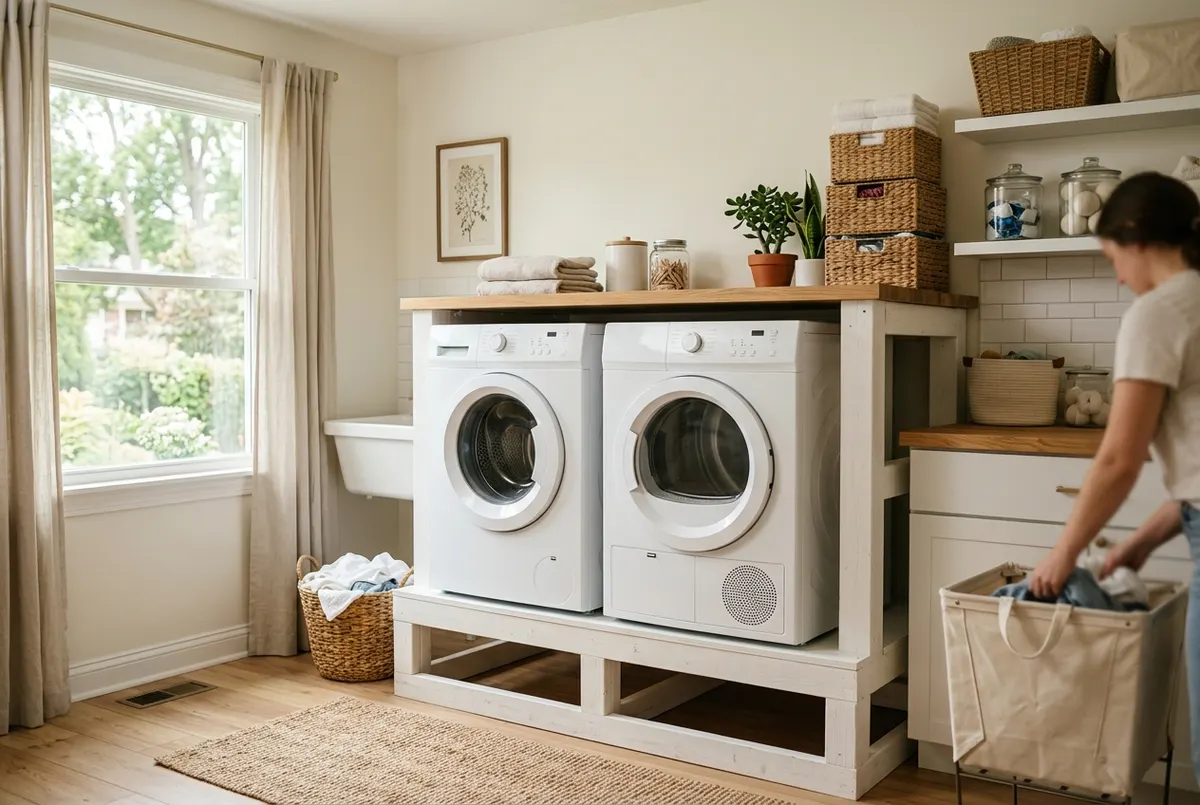
- Put the furnace, water heater, washer, and dryer on raised platforms where you can.
- Store basement belongings on sturdy shelves and in plastic bins instead of cardboard boxes.
- Install a sump pump with a battery backup, since storms often knock out power.
- Ask a plumber about backflow or check valves on drain lines.
- Raise electrical outlets and switches in flood-prone areas if you're renovating anyway.
When heavy rain is forecast
- Open your inventory and work through the "move up first" list.
- Take fresh photos of the basement and ground floor before you move anything.
- Carry valuables, documents, and small electronics to an upper floor.
- Charge phones and power banks, and have a go bag ready if you may need to leave.
- Learn how to shut off your power, and only do it if you can stay dry while you do.
What's the difference between a flood watch and a flood warning?
A flood watch means flooding is possible, so get ready. A flood warning means flooding is happening or about to happen, so move to higher ground now and never drive or walk through floodwater.
A flash flood warning is the most urgent version, because water can rise within minutes. The rule to remember is "turn around, don't drown." Just six inches of moving water can knock you down, and about a foot of moving water can carry a car away. Roads that look passable can be washed out underneath. If you're told to evacuate, go, and use the route officials give you.
Flood prep steps people skip
- Documenting their belongings. It's the step almost every flood checklist skips, and it's the one you can't do once the water is in. Photos of the basement, the contents of every bin, and serial numbers on appliances make a claim far easier to back up.
- Contents coverage is a separate choice. Many people have building coverage and assume their things are included.
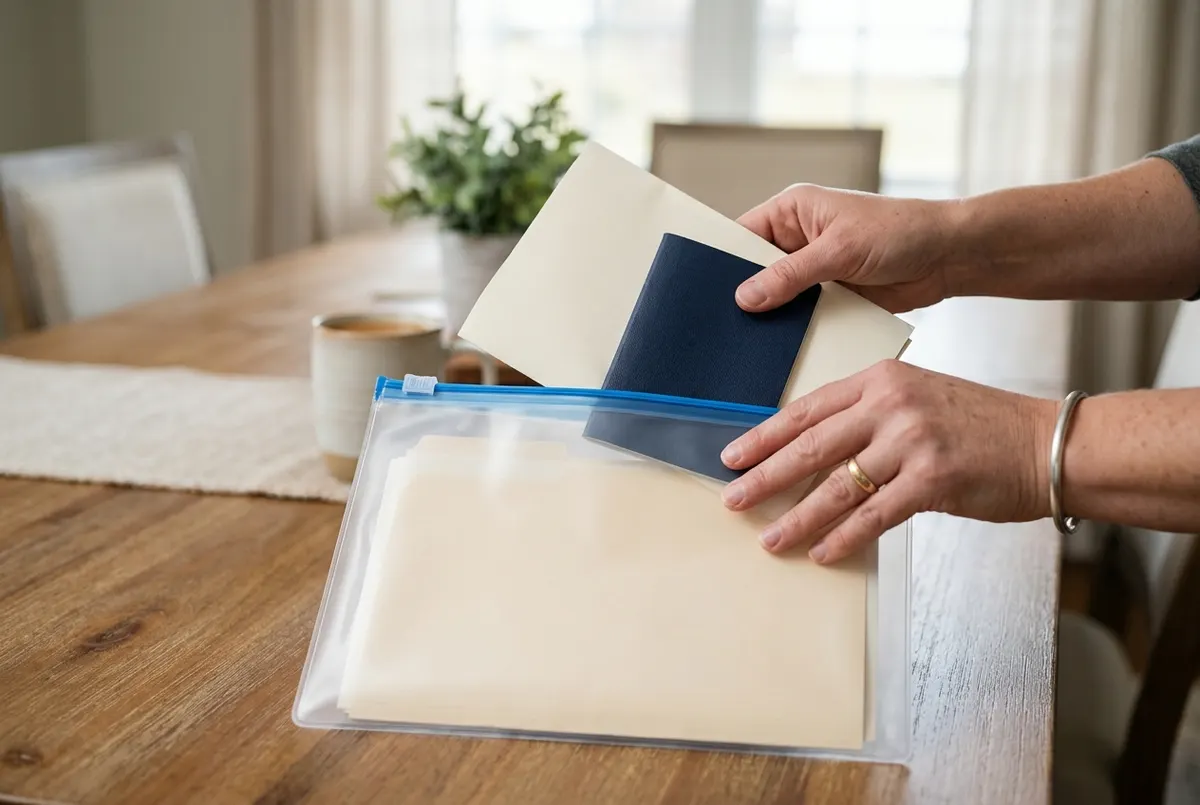
- A copy of the policy outside the house. Keep originals in a waterproof container upstairs and copies, along with your agent's number and policy number, in the cloud.
- Proof of upgrades. Receipts for flooring, cabinets, and finished-basement work are easy to lose and hard to recreate.
- Cars in the garage. Flood damage to a vehicle is usually handled by the comprehensive part of an auto policy, if you carry it, so check that too.
- Renters' belongings. Tenants often assume the landlord's policy covers their things. See our guide on home inventory for renters.
What should you do after a flood?
Go back only when officials say it's safe, photograph and video everything before you clean up, and contact your insurer as soon as you can. Flood claims have their own deadlines, often tight, so check your policy early.
If flooding has already happened
- Stay out of standing water, which can hide debris and be electrically charged.
- Have the power turned off before you walk through a wet basement.
- Photograph and video every room, including the water line on walls and furniture.
- Photograph damaged items before you throw anything out, and note serial numbers on ruined appliances.
- Start drying and airing out the house as soon as it's safe, since mold can set in quickly. Keep receipts for cleanup and drying.
- Keep receipts for hotels, meals, and other costs while you're displaced, and ask your insurer what they may cover.
No inventory before the water came? The damage itself is evidence. Photograph the curb pile before it's hauled away, record the labels on ruined appliances, and keep a small sample of carpet or flooring if your adjuster asks. Contractor invoices for a finished basement and old real estate listing photos can show what the lower floor looked like. Build the list floor by floor in StowFindSell, starting with the basement, then export a Proof Pack for your adjuster.
Floods rarely travel alone. On the coast, a single hurricane can mean a wind claim and a flood claim at once, which our hurricane deductible guide walks through. Inland, the thunderstorms behind flash floods also produce tornadoes, so the tornado preparedness guide is worth a look. And if you're still working out which risks apply to your address, the disaster preparedness checklist compares all six.
Flood preparedness FAQ
Does flood insurance cover sewer backup?
It depends on the cause. An NFIP policy may cover a sewer or drain backup that's directly caused by flooding in your area, while a backup from other causes usually needs a water backup endorsement on your homeowners policy.
Do renters need flood insurance?
Renters can usually buy contents-only flood coverage, and a renters policy typically won't cover flood damage to your belongings. Your landlord's flood policy, if there is one, covers the building and usually leaves your things out.
Is flood insurance required?
Lenders typically require it if your home is in a high-risk flood zone and you have a federally backed mortgage. Everywhere else it's usually optional, even though floods also happen outside high-risk zones.
How do I find out my flood risk?
Look up your address on FEMA's flood maps and your local emergency management site, and ask neighbors how water has behaved on your street. Maps change, so check again before each storm season.
What's the difference between building and contents flood coverage?
Building coverage pays for the structure and its systems, and contents coverage pays for your belongings. They're usually chosen and priced separately, so having one doesn't mean you have the other.
Should I throw out flood-damaged items right away?
Photograph them first and ask your insurer before you discard anything. Some adjusters want to see damaged items or keep samples, such as a piece of carpet.
Does flood insurance pay for a hotel while my home is repaired?
A standard NFIP policy generally doesn't pay additional living expenses, though some private flood policies do. Ask before you buy, and keep every hotel and meal receipt either way.
Map your home floor by floor before the water does
Photograph your basement and ground floor this week, tag what to move up first, and keep the whole record safe in the cloud.
Start your 30-day trial