How to Prepare for an Earthquake: Secure Your Home and Record What's Inside
There's no forecast for an earthquake, so all the real preparation happens on an ordinary day. The smartest way to do it is one walk through your home: anchor each thing that could fall, then photograph it while it's in your hands.
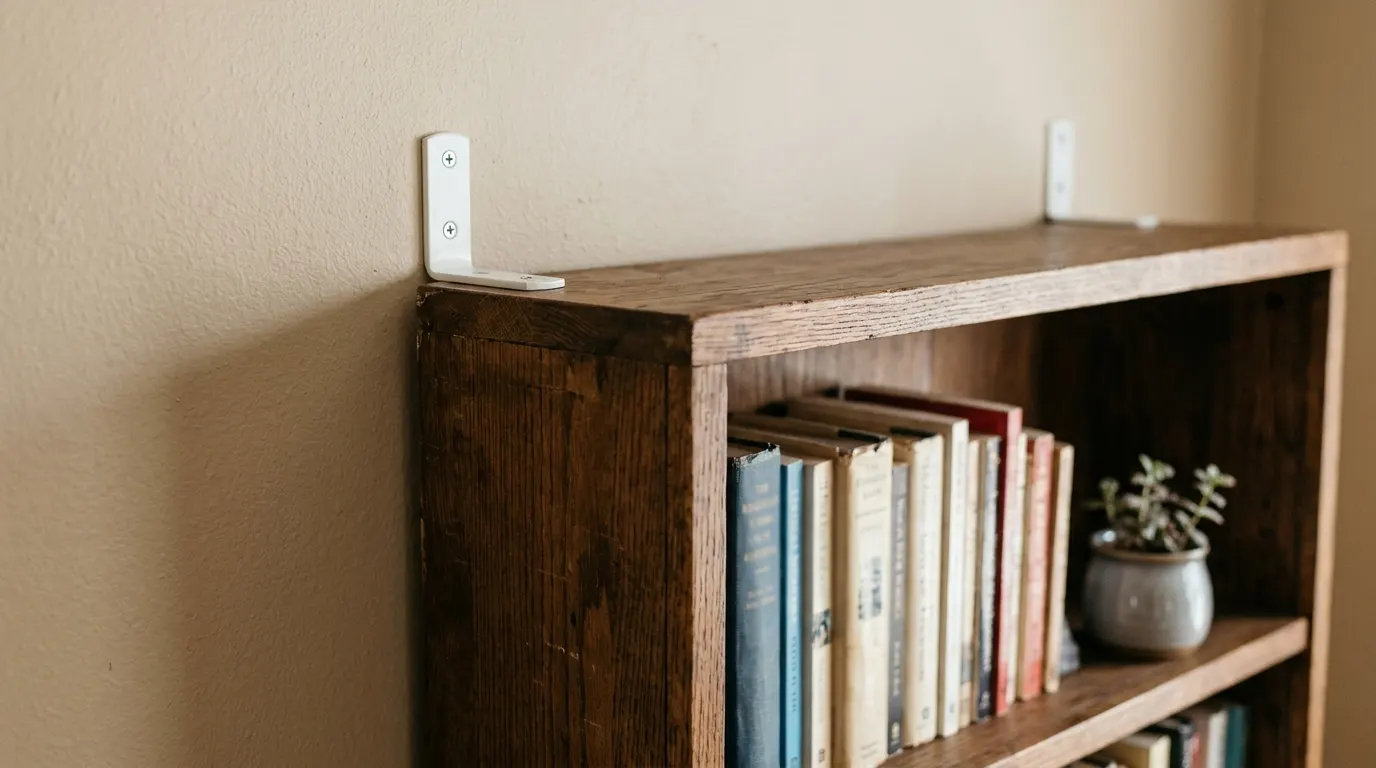
Earthquake prep breaks into three moments. Now is when you secure your home, build your kit, and record what you own. In the moment you have a few seconds, and the only job is Drop, Cover, and Hold On. After is about staying safe through aftershocks, handling the gas, and getting a claim started, sometimes from outside a building you can't go back into. This guide follows that order.
How do you earthquake-proof your home?
Strap your water heater to the wall studs, anchor tall furniture and TVs, add latches to cabinet doors, and keep heavy things on low shelves. Most of it takes an afternoon and a few basic tools.
Many earthquake injuries come from things falling or flying, and a lot of the damage to belongings happens the same way. So the walk below pairs every room with two short lists: what to secure, and what to record while you're standing there. You're already moving the furniture and opening the cabinets. Taking the photos at the same time adds only a few minutes per room.
Bring a stud finder, a drill, furniture straps, cabinet latches, museum putty, and your phone. Do one room per session if that's easier.
Living room
Secure it:
- Anchor bookcases, cabinets, and tall shelves to wall studs with furniture straps or L-brackets.
- Strap the TV to its stand or mount it securely on the wall.
- Use museum putty or gel under vases, frames, and small decor.
- Move heavy frames and mirrors away from the sofa, and hang art on closed hooks.
Then record it:
- Photograph each piece once it's anchored, including the TV's model and serial label.
- Take a wide shot of the room from two corners.
- Note anything valuable on the shelves: collectibles, art, and anything with an appraisal.
Kitchen and dining room
Secure it:
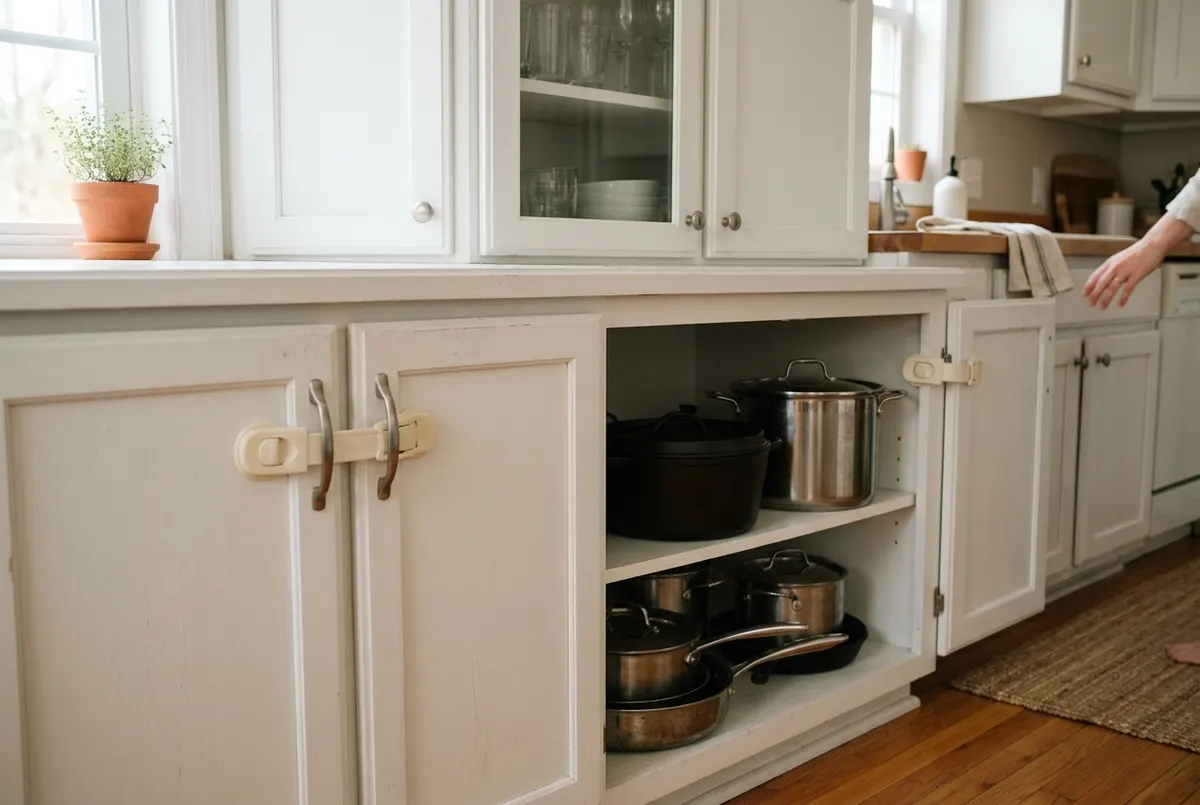
- Add childproof or seismic latches to upper cabinet doors.
- Move heavy pots, small appliances, and cast iron to low shelves.
- Keep glassware and fine china behind latched doors, with shelf liner to stop sliding.
- Make sure the refrigerator has room to move without blocking the exit, or secure it per the maker's instructions.
Then record it:
- Open each cabinet and photograph the contents. Breakables can make up a big share of quake losses.
- Count place settings of china and stemware, and note the pattern names.
- Capture model and serial numbers on major appliances.
Bedrooms
Secure it:
- Move heavy art, mirrors, and shelves away from the head of the bed.
- Anchor dressers and wardrobes, especially in kids' rooms.
- Keep sturdy shoes and a flashlight under each bed, since broken glass is common after a quake.
Then record it:
- Open closets and photograph clothing, shoes, and bags, which are easy to undercount on a claim.
- Photograph jewelry and watches, and attach receipts or appraisals.
Home office
Secure it:
- Strap monitors and desktop computers, and anchor filing cabinets.
- Keep backup drives somewhere they won't fall, and keep a copy of key files in the cloud.
Then record it:
- Record serial numbers for laptops, monitors, printers, and cameras.
- Photograph instruments, books, and anything on high shelves.
Garage, laundry, and utility area
Secure it:
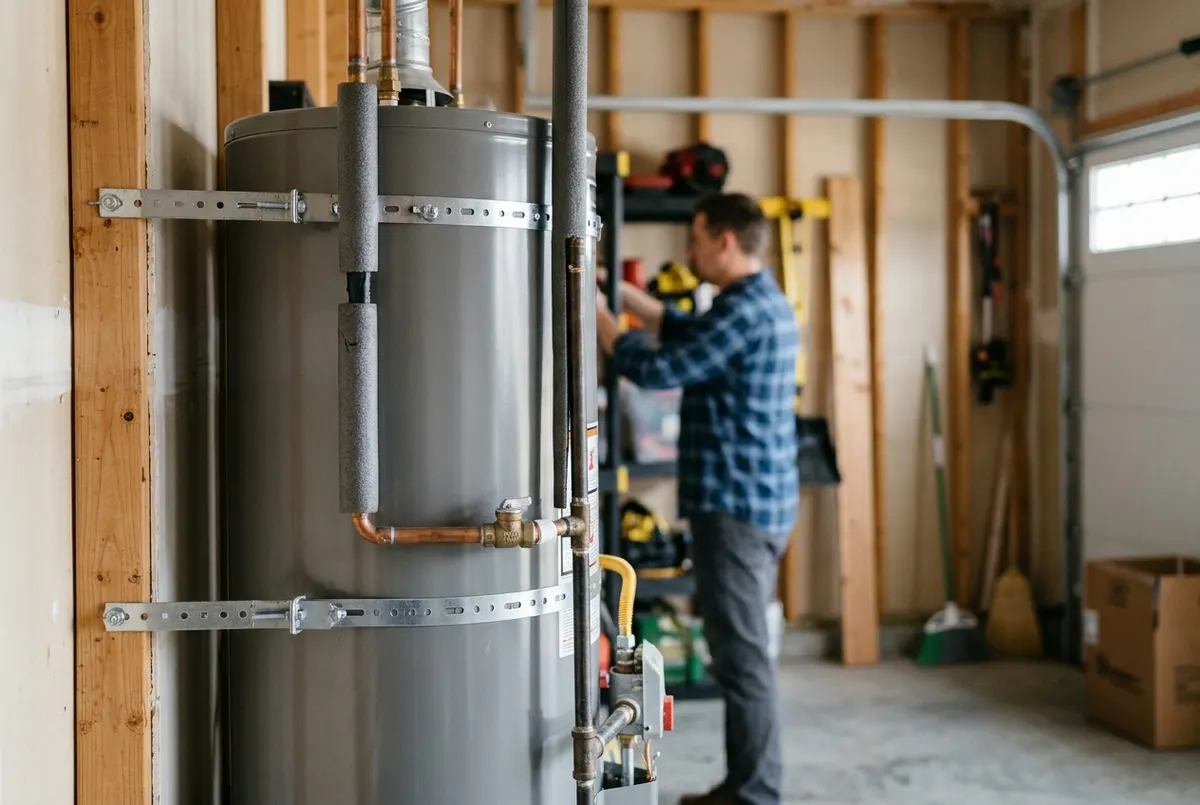
- Strap the water heater to the wall studs, usually with two straps near the top and bottom.
- Ask a plumber about flexible connections on gas appliances.
- Store paint, chemicals, and anything flammable on low shelves with a lip or in closed cabinets.
- Learn where your gas shutoff is and keep the right wrench nearby.
Then record it:
- Photograph the water heater, furnace, washer, and dryer with their labels.
- Open and photograph tool chests and storage bins.
- Note bikes, sports gear, and anything stored on upper garage shelves.
The structure itself
Secure it:
- Look for cracks in the foundation and chimney, and have a pro check whether your home needs bolting or bracing.
- Clear the path from each bedroom to an exit.
Then record it:
- Photograph walls, ceilings, the foundation, and the chimney as they look today.
- A clear baseline makes new cracks much easier to show later.
Turn the room walk into a home inventory
Once you've walked every room, the photos on your phone are most of an inventory. The last step is putting them somewhere organized and safe, with the details an insurer will usually ask for: what each item is, where it was, what it's worth, and proof you owned it. Room by room, that means wide shots, the inside of closets and drawers, serial numbers, receipts, and a value for each item.
The easiest way to keep up is to record each room as you secure it. In StowFindSell, an AI home inventory app, every plan from Starter up lets you give each room its own location and add items on the spot, with the photo you just took, a value, and the serial number. Tag anything you've anchored "secured" and leave the rest untagged, and the same list doubles as your to-do list for the next session. By the time you reach the garage, the inventory and the earthquake-proofing are finished together.
Your records live in the cloud and open in any phone browser, which matters when you can't get back into the house. Proof Pack export gives you a PDF with photos or a spreadsheet-ready CSV with photo links. Earthquake deductibles are often a large percentage of your dwelling coverage (more on that below), so accurate values carry real weight. Back up anything expensive with a receipt or appraisal. For the full method, read how to create a home inventory, or see what a claim-ready list looks like in our home inventory for insurance guide.
Does homeowners insurance cover earthquakes?
Usually not. Earthquake damage is a common exclusion in homeowners and renters policies, so coverage comes from a separate earthquake policy or an endorsement. In California, most is sold through the California Earthquake Authority's participating insurers.
Outside California, coverage is usually sold as an endorsement or a standalone policy from private insurers, so ask your agent what's available where you live. When you compare options, look at:
- The dwelling limit and the deductible percentage
- The personal property (contents) limit, which may be separate and lower
- Whether additional living expenses are included if you can't stay in your home
- How the policy handles breakables, masonry, and outbuildings
Your inventory total is a quick reality check here. If your belongings add up to more than the contents limit you're considering, you'll know before you need it.
How high are earthquake deductibles?
Earthquake deductibles are usually a percentage of your dwelling coverage, and California Earthquake Authority policies commonly offer choices from 5% to 25%. At 15% on a home insured for $400,000, that's $60,000 before the policy starts to pay for the dwelling.
Deductibles that size change how you should think about your records. How the deductible applies to belongings varies by policy, so read yours closely. Either way, a big share of any loss will be on you, and a claim only pays out above that line. A complete, accurately valued contents list helps you show the true size of the loss, and every item you forget to list is money you can't count toward it.
- Ask your agent how the deductible works for dwelling and for contents.
- Compare a lower deductible's higher premium against what you could cover from savings.
- Keep values current, since replacement costs rise over time.
What should be in an earthquake kit?
An earthquake kit should cover a few days on your own: water, food, a flashlight, a radio, a first aid kit, medications, sturdy shoes, a whistle, cash, and copies of important documents.
- Water: at least one gallon per person per day for several days
- Food that needs no cooking, and a manual can opener
- Flashlights and a battery or hand-crank radio, with spare batteries
- First aid kit and at least a week of prescription medications
- Sturdy shoes, work gloves, and dust masks
- A whistle to signal for help
- A wrench for the gas shutoff, if your valve needs one
- Cash, phone chargers, and a power bank
- Copies of IDs, insurance policies, and your agent's contact information
- Supplies for pets, babies, and anyone with medical needs
Keep a smaller version in your car and at work, since you may not be home when it happens. Store the main kit somewhere a toppled bookcase won't block.
What should you do during an earthquake?
Drop, Cover, and Hold On. Drop to your hands and knees, cover your head and neck under a sturdy table or desk, and hold on until the shaking stops.
- Indoors: stay inside. Don't run for the door, and skip the doorway, which isn't safer than a sturdy table.
- In bed: stay there, turn face down, and cover your head and neck with a pillow.
- No table nearby: drop next to an interior wall, away from windows, and cover your head and neck with your arms.
- Outdoors: move away from buildings, trees, streetlights, and power lines, then drop.
- Driving: pull over away from overpasses and power lines, set the parking brake, and stay in the car.
Practice it with your household once or twice a year. Muscle memory is what kicks in when the floor starts moving.
Earthquake prep people forget until the shaking stops
- Documenting their belongings. Securing a bookcase is satisfying. Photographing what's on it is the part people skip, and it's the part an adjuster will ask about.
- A baseline of the house. Photos of walls, ceilings, and the foundation today make it much easier to show which cracks are new.
- Records you can open from outside. After a strong quake you may not be allowed back into a damaged building. Paper files and a home computer stuck inside don't help. Keep copies in the cloud.
- The contents limit. Earthquake policies can have lower limits for belongings than people assume.
- Shoes and a flashlight by the bed. Quakes at night are the hardest to move through safely.
- Renters. Tenants face the same exclusion for their belongings. Our guide to home inventory for renters covers what to record.
Should you turn off the gas after an earthquake?
Only if you smell gas, hear a hissing sound, or see a broken gas line, and only if you can do it safely. Once it's off, leave it off and let the gas utility turn it back on.
If you smell gas, get everyone out, then call the gas company or 911 from a safe distance. Don't use matches, lighters, or light switches nearby. Turning the gas off when there's no leak can leave you without heat or hot water for days while you wait for a technician.
Aftershocks and damaged buildings
- Expect aftershocks, and Drop, Cover, and Hold On each time.
- Check yourself and others for injuries, and put on shoes before you walk anywhere.
- Stay out of damaged buildings until they've been inspected.
- Open cabinets carefully, since things may have shifted against the doors.
- Fires can follow earthquakes, so know where your extinguisher is.
If an earthquake already damaged your home
Once it's safe, photograph the damage before you sweep up or throw anything away. Broken dishes and cracked furniture can be part of your claim, so ask your insurer what they want you to keep. Contact your insurer early and ask about deadlines and what they need. Without an inventory, the broken pieces can still help: photograph the maker's marks on the bottoms of shattered china, the labels on fallen electronics, and the brackets that pulled out of the wall. Add each item to StowFindSell room by room as you identify it, and the Proof Pack export turns that list into the file your adjuster asks for.
Broken gas lines and toppled heaters mean fire is one of the most serious hazards after a strong quake, and fire following an earthquake is often covered even when the shaking isn't. Our guide on how to prepare for a house fire covers alarms, extinguishers, and the first 24 hours after. In the West, quake country is also wildfire country, so see how to prepare for a wildfire and the full disaster preparedness checklist.
Earthquake preparedness FAQ
Is earthquake insurance worth it?
It depends on your risk, your home's value, the deductible you'd choose, and how much you could cover from savings. Compare the deductible against what a serious quake could cost you, and talk it through with a licensed agent.
Does earthquake insurance cover broken dishes and glassware?
It can, under the contents part of the policy, but some earthquake policies limit or exclude breakables like china, glass, and art unless you add that coverage. Check how yours treats breakables before you need it.
Is a fire caused by an earthquake covered?
Fire following an earthquake is often covered by a standard homeowners policy even when the shaking damage isn't. Check your policy to confirm how yours handles it.
Should I bolt my house to its foundation?
If your home is older and sits on a raised foundation with a crawl space, ask a licensed contractor or engineer whether it needs bolting and bracing. In California, the Earthquake Brace + Bolt program has offered grants for this work in some ZIP codes.
What is the Great ShakeOut?
It's a yearly earthquake drill, held each October, where people practice Drop, Cover, and Hold On at the same time. It's an easy prompt to update your kit and your inventory too.
Can I buy earthquake insurance right after a quake?
Sometimes not right away. Insurers may pause new earthquake policies for a period after a significant quake, so it's best to decide on coverage before one happens.
How often should I update an earthquake inventory?
Add new purchases as they come home and do a quick room walk once a year. Pairing it with the October ShakeOut drill makes it easy to remember.
Secure it, snap it, and keep it in the cloud
Walk your home one room at a time, record what you anchor, and have a Proof Pack ready if the ground ever moves.
Start your 30-day trial