How to Prepare for a Wildfire: Your Home, Your Go Bag, and Your Records
Wildfire prep happens in two very different speeds. The yard work, the go bag and the records take a few calm weekends. The evacuation itself can take ten minutes. This guide covers both, and the part most checklists skip: proving what you owned outside the house.
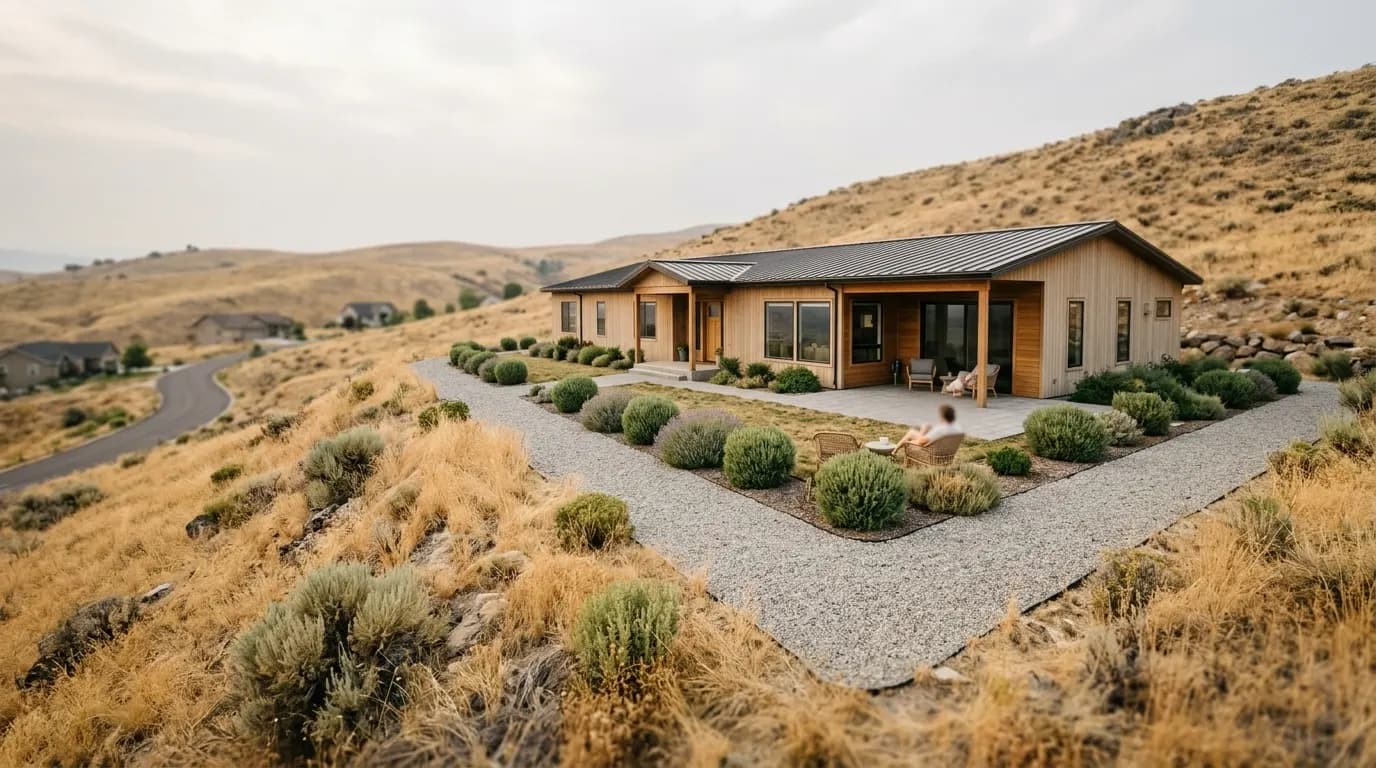
If you live where the hills turn gold every summer, you already know the rhythm: red flag days, smoky afternoons, the phone alert that makes everyone in the house look up at once. This guide works from the outside in: the ground around the house, the go bag, then a record of everything you own, shed and truck included.
What are defensible space zones?
Defensible space zones are rings around your home where you limit what can burn. Most fire agencies describe three: Zone 0 runs from the walls out to 5 feet and is kept clear of anything that burns, Zone 1 runs from 5 to 30 feet and is kept lean and clean, and Zone 2 runs from 30 to 100 feet with reduced fuel. Exact rules vary by state and county, so check with your local fire agency.
Think of the zones as rings that slow a fire down and give firefighters room to work. The closer a ring is to your walls, the stricter it gets.
| Zone | Distance from the house | What it usually means |
|---|---|---|
| Zone 0 | 0 to 5 feet | Gravel, pavers or bare soil. No bark mulch, firewood, dry plants or stored furniture against the walls. |
| Zone 1 | 5 to 30 feet | Lean and clean. Remove dead plants and leaves, space out shrubs, trim branches away from the roof. |
| Zone 2 | 30 to 100 feet | Reduced fuel. Mow dry grass, thin dense brush, and leave room between trees and shrubs. |
Zone 0 is the newest and the one most people haven't dealt with yet. California's Zone 0 rules have been phasing in on their own timeline, so check with your local fire agency, treat the table as general guidance, and confirm what applies to your address. Your local fire agency or county fire safe council can tell you, and many will walk your property with you.
How do I protect my house from embers?
Cover vents with 1/8 inch metal mesh, keep gutters and roofs clear, and move firewood and mulch away from your walls. Fire agencies say windblown embers start most home ignitions during wildfires, often well ahead of the flames, and those three steps close off the places embers land most.
Embers can fly a long way on the wind and land in the places you rarely look. Work through this list on a dry weekend in spring:
- Cover attic, eave and crawl space vents with 1/8 inch metal mesh, or swap them for ember-resistant vents
- Clear leaves and needles from gutters, roof valleys and the space under decks
- Store firewood, lumber and propane tanks well away from the house, outside Zone 0
- Replace bark mulch next to the foundation with gravel or stone
- Move doormats, cushions, planters and trash bins away from walls on high-risk days
- Check that window screens and weatherstripping on garage doors are intact
- Keep a hose long enough to reach every side of the house, plus a ladder that reaches the roof
None of this guarantees a house will survive, and nobody can promise that. It does give your home a much better chance, and in many areas it's also what insurers ask about.
What do Ready, Set, Go evacuation levels mean?
Ready, Set, Go is a three-level evacuation system used in many areas: Level 1 means be ready, Level 2 means be set to leave at a moment's notice, and Level 3 means go now. Conditions can change fast, so you may get a Level 3 order without ever seeing Level 2.
Level 1: Ready
A fire is in the area. Sign up for your county's emergency alerts if you haven't, make sure the go bag is packed, park your car facing out with at least half a tank of gas, and line up somewhere to stay outside the area. If you have large animals, start moving them now, since trailers take time.
Level 2: Set
Danger is close. Load the car, bring pets inside so you can grab them fast, and keep your phone charged. People who need extra time, including older relatives, families with infants and anyone with mobility needs, should leave at this stage.
Level 3: Go
Leave now, by the route officials give you. Don't stop to pack, take photos or water the roof. Everything that follows in this guide is about making sure that, when you hear Level 3, the only job left is getting out.
What are the 5 Ps of wildfire evacuation?
The 5 Ps are people and pets, prescriptions, papers, personal needs, and priceless items. They're an easy way to remember what to grab when you have only minutes to leave.
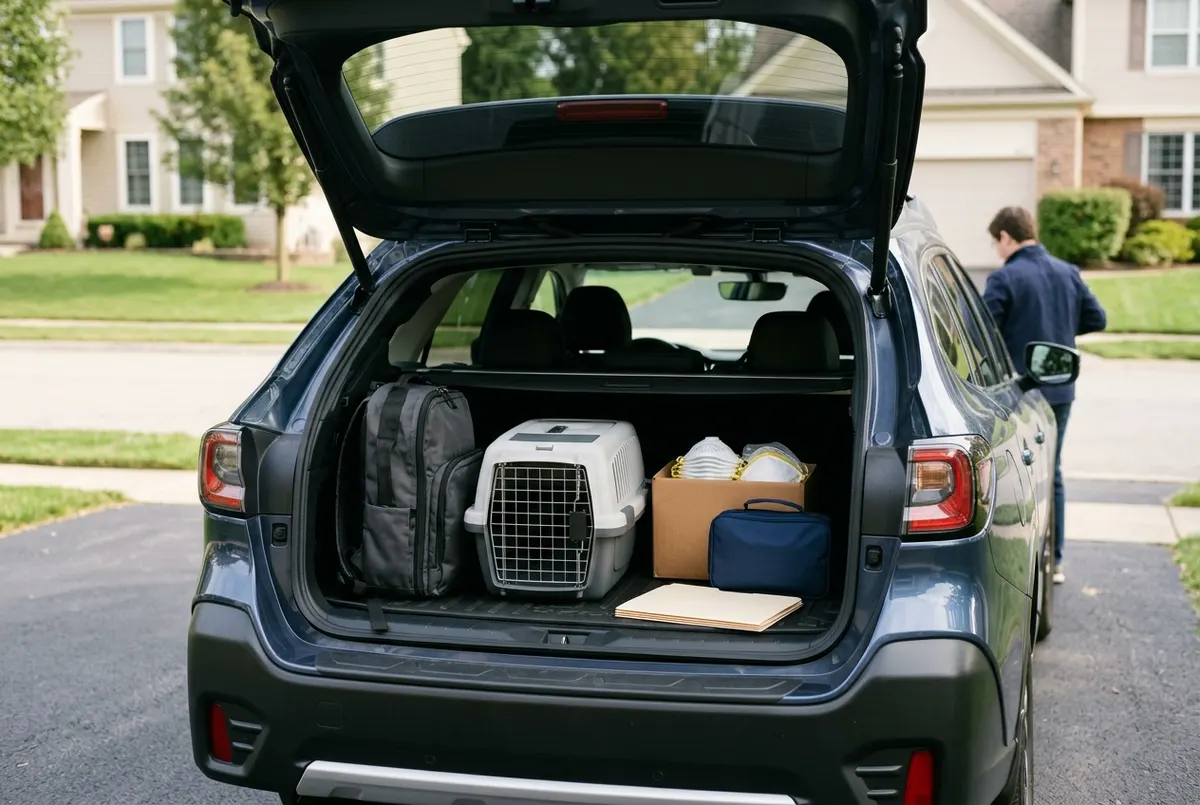
- People and pets. Everyone in the house, plus carriers, leashes, food and records for each animal.
- Prescriptions. Medications, glasses, hearing aids and medical devices, with a printed list of doses.
- Papers. ID, insurance policy numbers, deeds, titles and passports. Originals if they're in one folder, copies in the cloud either way.
- Personal needs. Clothes for a few days, phone chargers and a battery pack, N95 masks, cash, water and snacks.
- Priceless items. Photo albums, heirlooms, a laptop or hard drive, and anything you could never replace.
Keep the bag by the door or in the car all season. Tape a printed copy of this list inside the lid so nobody has to think under pressure. One thing you don't need to pack is a binder of receipts, as long as your records already live online.
What goes missing from most wildfire plans
Most wildfire checklists stop at the yard and the go bag. These are the gaps that tend to show up later, usually when someone is sitting in a hotel room trying to fill out a claim.
- Documenting belongings before fire season. Wildfire losses are often total, and the list has to cover the house, the yard, and every outbuilding at once. Building it from memory after a fire is one of the hardest parts of recovery.
- Everything outside the walls. Sheds, workshops, decks, play sets, fencing and yard equipment are easy to forget, and limits for detached structures and outdoor property can differ from the main house.
- Smoke and ash in a house that didn't burn. Clothing, furniture, rugs and electronics can all be damaged by smoke. Those losses usually belong on a claim too.
- A long time away from home. Evacuations can last days or weeks. Many policies include additional living expenses coverage with limits, so read yours and keep every hotel and meal receipt.
- Clean air during smoky weeks. Keep N95 masks on hand and pick one room you can seal up with a portable air cleaner.
- Your renewal date. In high-risk areas, non-renewal notices are more common. Know when your policy renews so a notice doesn't catch you mid-season.
Build a wildfire home inventory, from the shed to the closets
A wildfire threatens your whole property at once, so start your inventory outside and work your way in. That order matters: the outdoor and outbuilding items are the ones people forget when they're rebuilding a list from memory.
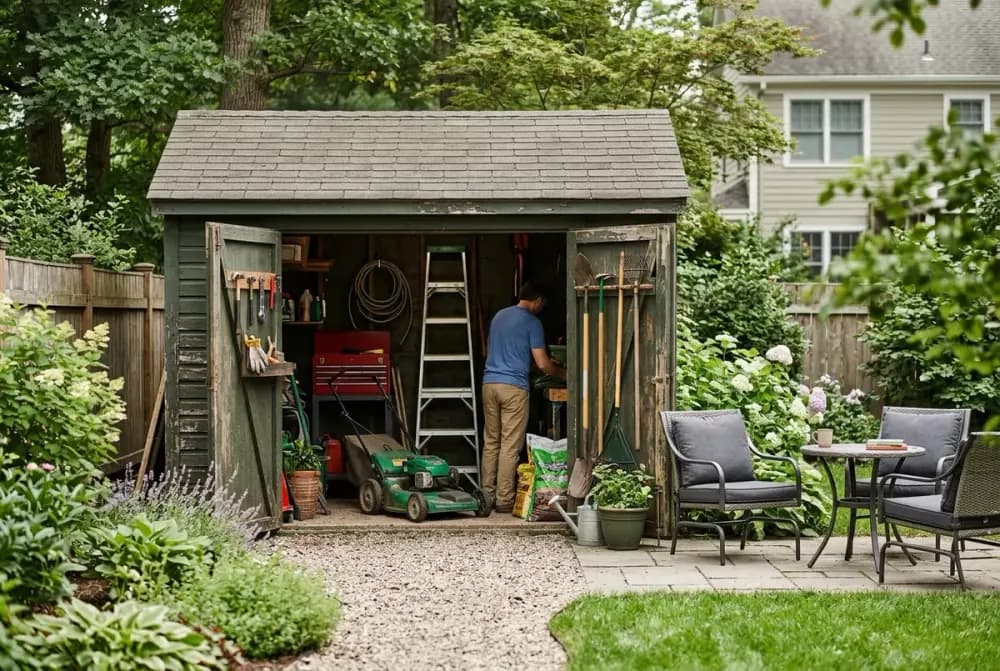
Outside and outbuildings first
- Sheds, workshops and detached garages: power tools, hand tools, ladders, mowers, trimmers
- Decks and patios: furniture, cushions, grills, outdoor kitchens, heaters, umbrellas
- Yard and garden: play sets, hot tubs, irrigation gear, planters, paid landscaping
- Utilities and equipment: generators, water tanks, pumps, solar gear
- Vehicles and toys: cars, trailers, ATVs, bikes, kayaks, camping gear
- The structures themselves: wide shots of each building, the fence line and gates
Then every room inside
Take a wide shot of each room from a couple of corners, then open closets, drawers and cabinets and photograph what's inside. Get close-ups of anything valuable with the brand, model and serial number visible. Snap receipts and appraisals when you have them, and note a rough value for the big items. The step-by-step home inventory guide walks through the full method if you're starting from zero.
Keep it somewhere the fire can't reach
A list on paper in the house can burn with the house. A digital home inventory kept online is still there when you open your phone in an evacuation center. In StowFindSell, set up the shed, the garage and the yard as separate locations from the start, on any plan from Starter up, so the mower and the patio set never get lumped in with the kitchen. Outbuildings often carry their own coverage limits, and a list already split by structure shows the adjuster what stood where. Claims go out as a Proof Pack, in PDF form with photos or as a CSV whose rows link to each photo. The values you enter for tools and equipment are your best estimate, so serial numbers and dealer receipts are what back them up. For how that fits a claim, see home inventory for insurance.
Update it once a year before fire season, and whenever you buy something big for the house or the yard.
What if my insurer won't renew my policy in a wildfire area?
If your insurer sends a non-renewal notice, note the date your coverage ends and start shopping right away, ideally with an independent agent who can quote several companies. Ask whether mitigation work like defensible space or ember-resistant vents could help, and treat your state's FAIR plan as a last resort if you can't find other coverage. Rules vary by state.
- Write down the date on the notice and the date your coverage actually ends
- Call your current insurer and ask what drove the decision and whether anything could change it
- Get quotes from an independent agent or broker who works with several companies
- Keep photos and receipts for mitigation work like new vents, a cleared Zone 0 or a roof replacement
- Look up your state's FAIR plan and what it does and doesn't cover, since some homeowners pair it with a separate policy
- Check your state insurance department's website for consumer help and any local rules
Don't let coverage lapse while you shop. A gap, even a short one, can leave you exposed right when the season peaks.
If a wildfire has already happened
If you've already lost your home or had to leave, you can still put together a solid list. Return only when officials say it's safe, and wear protective gear around ash. Then start gathering:
- Dealer service records and registrations for mowers, ATVs, trailers, boats and generators
- Neighbors' or HOA photos that show your yard, deck, sheds and fence line
- Contractor invoices and permits for decks, fencing, outdoor kitchens and landscaping
- Satellite and street-level map imagery of your property from before the fire
- Your own camera roll, starting with backyard gatherings and projects outside
Give each structure its own location in StowFindSell as you rebuild, so the outbuildings and the main house stay separate on your claim. Ask your adjuster which format they accept and what timelines apply, then send the Proof Pack in that form.
Burned hillsides shed water fast, so the first heavy rains after a fire can bring flash floods and debris flows to homes that survived the flames. If you live below a burn scar, read the flood preparedness guide before the wet season, and remember that a standard policy usually won't cover that water. Inside the house, the smoke alarm and escape plan in how to prepare for a house fire apply just as much, and the disaster preparedness checklist shows how wildfire stacks up against your other local risks, including earthquakes in much of the West.
Wildfire preparedness FAQ
Should I leave sprinklers running when I evacuate?
No. Fire agencies ask people not to leave sprinklers or hoses running, because it drains the water pressure firefighters need. Shut off irrigation and leave hoses connected so crews can use them.
Does homeowners insurance cover wildfire damage?
Fire is usually a covered peril under standard homeowners and renters policies, and smoke damage often is too. Limits for detached structures, outdoor property and additional living expenses vary, so check your declarations page.
What should I photograph outside my house?
Sheds and what's inside them, decks, patio furniture, grills, play sets, fencing, generators, tools, bikes, trailers and vehicles. Capture serial numbers on equipment and wide shots that show the condition of each structure.
How do I keep my inventory safe if I have to evacuate?
Store it in the cloud, away from your home, so you can open it from your phone wherever you end up. Exporting a copy now and then gives you one more backup.
What kind of mask helps with wildfire smoke?
A well-fitting N95 respirator filters far more smoke particles than a cloth or surgical mask. Indoors, keep one room as clean as you can with the doors and windows closed and a portable air cleaner running if you have one.
Can I go home right after the fire passes?
Only when officials say it's safe. Burned areas can hide hot spots, damaged power lines, weakened trees and ash that's harmful to breathe, so wear protective gear when you do go back.
Do I need to list items that only have smoke damage?
Usually, yes. Smoke and ash can damage clothing, furniture, rugs and electronics in a home that never burned, so photograph and list those items too and ask your adjuster how they want them documented.
Document your home and yard before fire season
Walk the property with your phone this weekend, so if you ever hear "Level 3, go now," your records are already stored off-site.
Start your 30-day trial