How to Prepare for a House Fire and What to Do After One
A house fire doesn't come with a forecast. There's no watch, no warning and no evacuation zone. This guide comes in two halves: prevention first, with the alarms, escape plan and habits that stop most fires before they start, then an hour-by-hour plan for what to do if one happens anyway.
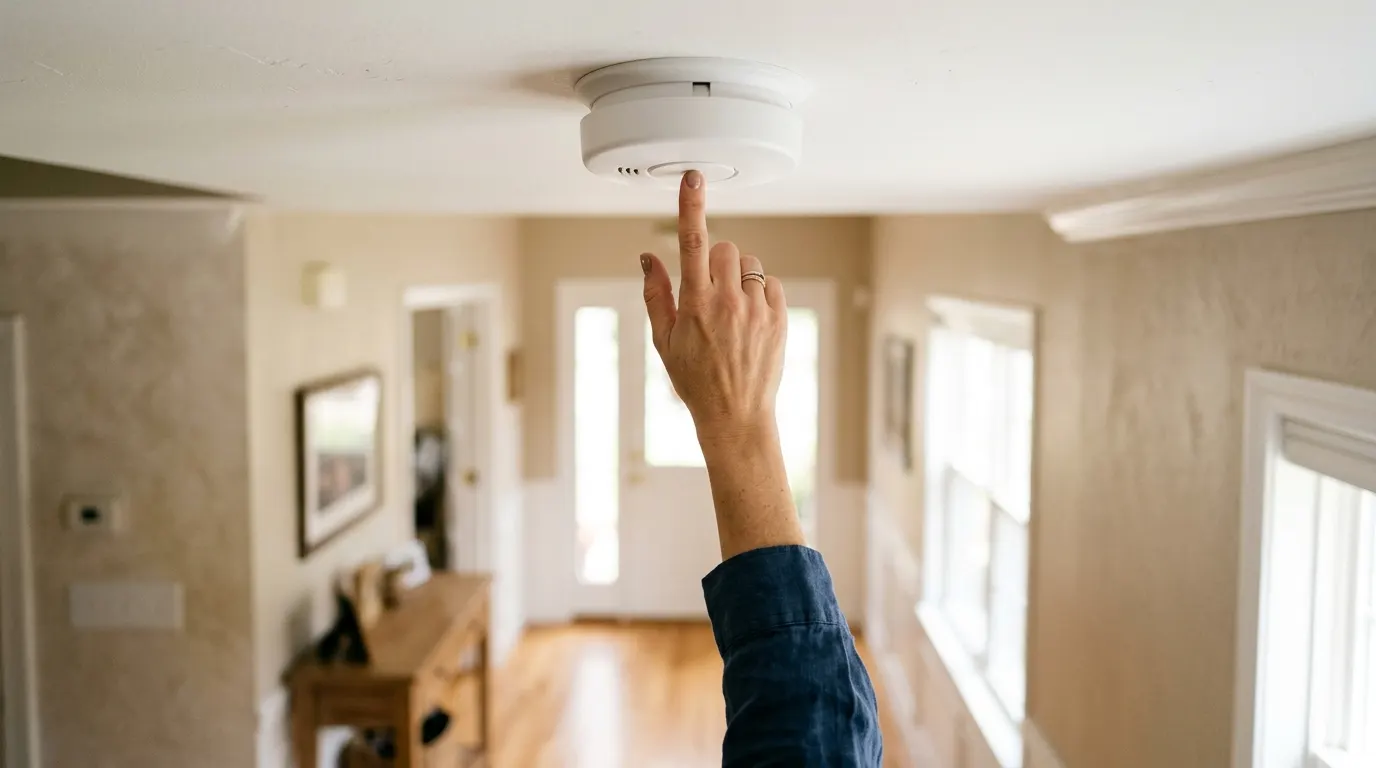
Most of what you'll read about disasters is about weather: storms you can track, seasons you can plan around. Home fires work differently. They usually start inside, often in the kitchen or near a heater, and they can fill a house with smoke in minutes. The good news is that the most effective steps are cheap, simple and entirely in your hands. Start with the alarms.
Where should smoke alarms go?
Put smoke alarms inside every bedroom, outside each sleeping area, and on every level of your home, including the basement. Interconnect them if you can so they all sound together, test them once a month, and replace each alarm 10 years after its manufacture date.
Here's a quick room-by-room check you can do with a step stool and ten minutes:
- Every bedroom. One inside each room where someone sleeps, including guest rooms and the nursery.
- Every hallway outside a sleeping area. If bedrooms are spread out, each cluster needs its own.
- Every level. Basement and finished attic included, usually near the bottom of stairways to the next level.
- Living areas. The living room or family room, or near the stairs if the level has no bedrooms.
- Not too close to the kitchen. Mount alarms far enough from the stove that cooking doesn't set them off constantly; follow the maker's spacing guidance.
Interconnected alarms are worth it. When one senses smoke, they all sound, so a fire in the basement wakes up a child upstairs. Many newer alarms connect wirelessly, which makes this easier in older homes. If anyone in the house is deaf or hard of hearing, look at alarms with strobe lights or bed shakers. Check the date on the back of each alarm while you're up there, and swap any that are 10 years old.
How do I make a fire escape plan?
Sketch your home, mark two ways out of every room, and pick an outside meeting spot everyone knows. Practice the plan at least twice a year, because fire safety experts say you may have as little as two minutes to get out once an alarm sounds.
- Draw a simple floor plan of each level on paper. Kids are great at this part.
- Mark every door and window, and pick two ways out of each room.
- Make sure windows open easily and screens pop out. Second-floor bedrooms may need an escape ladder.
- Choose a meeting spot outside that won't move, like a mailbox, a tree or a neighbor's driveway.
- Decide who helps babies, older relatives and anyone with mobility needs.
- Teach everyone to get low under smoke, feel doors for heat before opening them, and never go back inside.
- Run a drill twice a year, once at night, and time it.
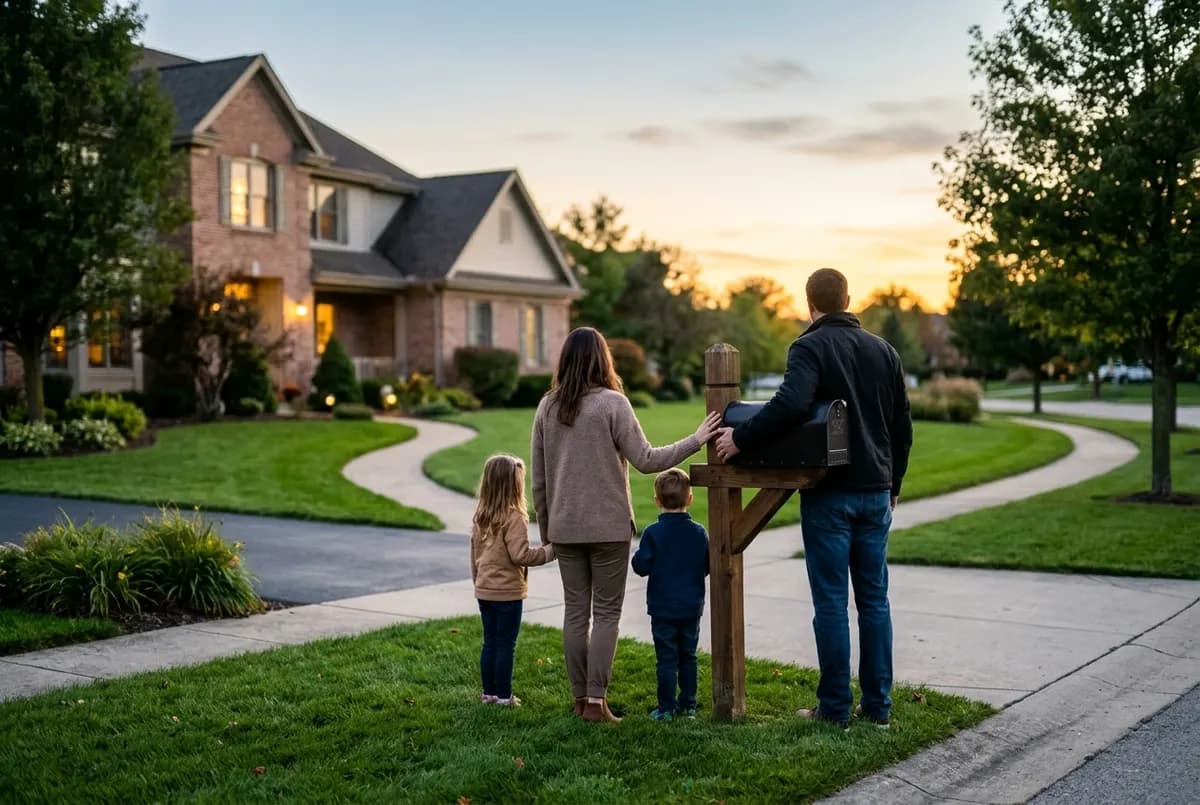
Two minutes goes fast. The point of practicing is that nobody has to think during the real thing. Pets, phones and wallets stay behind; people come first.
What causes most house fires?
Cooking is the leading cause of home fires and home fire injuries. Heating equipment, electrical problems and smoking follow, and smoking is a leading cause of home fire deaths.
Knowing the common causes tells you where to spend your effort. Walk the house with this checklist:
Kitchen
- Stay in the kitchen when you're frying, grilling or broiling, and turn the burner off if you have to leave
- Keep towels, oven mitts and paper away from the stovetop
- Keep a lid nearby to smother a small grease fire, and never use water on one
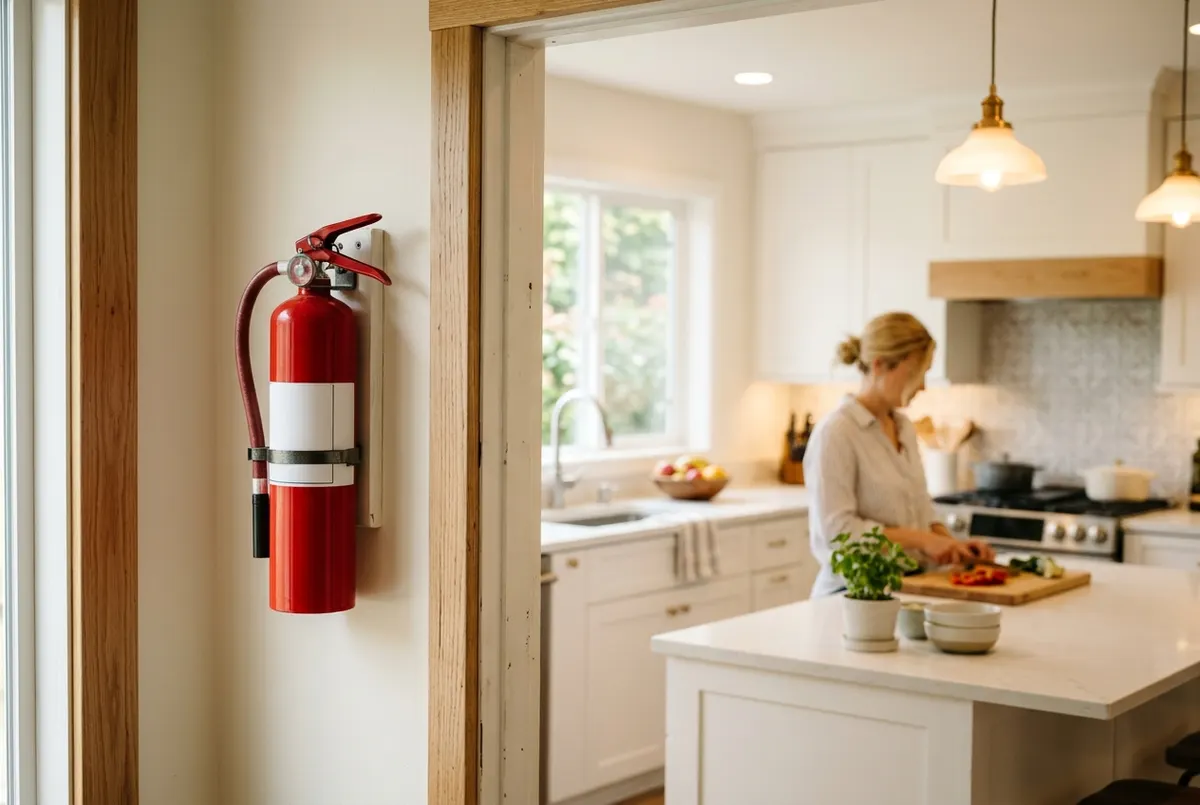
- Mount a fire extinguisher near the kitchen exit
Heating
- Keep space heaters at least three feet from anything that can burn, and turn them off when you leave or go to sleep
- Plug heaters straight into the wall, not an extension cord
- Have chimneys and furnaces inspected by a professional each year
Electrical
- Replace cords that are frayed, cracked or warm to the touch
- Don't run cords under rugs or overload outlets and power strips
- Call an electrician about breakers that trip often or lights that flicker
- Charge e-bikes, scooters and other lithium-ion batteries with the charger they came with, away from exits
Smoking and candles
- If anyone smokes, keep it outside and use deep, sturdy ashtrays
- Never smoke in bed or when drowsy, and never around medical oxygen
- Blow out candles when you leave a room, and keep matches and lighters out of reach of kids
Fire safety blind spots that show up after the fire
Alarms and escape plans get most of the attention, and they should. These are the things that tend to surface later, once everyone is safe and the paperwork starts.
- Documenting belongings ahead of time. After a fire you'll likely be asked to list every damaged item with a description, age and value. Doing that from memory for a whole house is exhausting, and it's easy to leave out thousands of dollars of everyday things.
- Smoke and soot travel. A kitchen fire can leave smoke in every closet upstairs. Clothing, mattresses, curtains and electronics in rooms the fire never touched can be damaged, and those partial losses usually belong on your list.
- Water damage from firefighting. Floors, lower cabinets and anything stored low can be soaked.
- Fire-rated safes have limits. They protect for a limited time at a rated temperature. Keep copies of important papers and your inventory in the cloud too.
- Renters coverage. If you rent, your landlord's policy usually covers the building and not your things. Our home inventory guide for renters covers what to document.
- Where you'd sleep tonight. Check whether your policy includes additional living expenses and what the limits are before you ever need them.
Do I need an inventory for a fire insurance claim?
Usually, yes. Most insurers ask for an itemized list of damaged or destroyed belongings, and while some states and insurers allow partial payments without a full list, an inventory made beforehand makes the claim far easier.
Fire claims tend to split into two parts: the building and the contents. The contents part depends mostly on you. Insurers commonly want each item's description, approximate age, and value, and some send their own spreadsheet to fill in. After a serious fire that can run to hundreds or thousands of lines, and you'd be filling it in while also finding a place to live.
What to capture now
- A wide photo or short video of each room from a couple of angles
- The inside of every closet, drawer, cabinet and storage bin
- Close-ups of electronics, appliances, tools and instruments with model and serial numbers visible
- Receipts, appraisals and warranty cards for jewelry, art and anything expensive
- A rough purchase price or replacement value for the bigger items
- The small stuff that adds up: clothes, shoes, linens, kitchen tools, pantry, toys, books, holiday bins
Keep it out of the house
A list in a desk drawer can burn with the desk. StowFindSell is home inventory software that keeps your records in the cloud, so you can open them from a neighbor's couch or a hotel room. The feature that matters most after a fire is the Proof Pack, included from Starter up: one export of every item, as a PDF that shows each photo or a CSV with a link to each one, with descriptions, values and receipts, ready to send to your adjuster or paste into the spreadsheet they hand you. Each item's value is whatever you enter or accept, so the closer it is to a real receipt, the less back and forth later. For the full claim workflow, see home inventory for insurance, and for the method itself, the step-by-step home inventory guide.
What should I do in the first 24 hours after a house fire?
Make sure everyone is safe and accounted for, wait until the fire department says you can go back in, call your insurer, and ask for a copy of the fire report. Photograph the damage in every room before anything is cleaned, moved or thrown away.
The first day is a blur for almost everyone. Save this list, or print it and keep it with your insurance papers.
Step 1: Right away
- Get everyone out, call 911, and count heads at your meeting spot
- Get medical help for anyone who breathed smoke or was burned, even if they say they're fine
- Stay out until the fire department tells you it's safe to go back in
Step 2: Within the first few hours
- Call your insurer to report the fire and ask what they need from you first
- Ask the fire department for the incident or fire report number
- Find a safe place to stay tonight; your insurer, the Red Cross or family may help
- Ask about securing the house: boarded windows, a tarp on the roof, utilities shut off
Step 3: Before anything gets cleaned
- Photograph and video every room, including rooms the fire never reached
- Capture serial numbers on damaged electronics and appliances if you can safely reach them
- Don't throw anything away until your adjuster says it's okay
- Keep receipts for hotels, meals, clothing and anything else you buy because of the fire
Step 4: By the end of day one
- Retrieve medications, glasses, ID, wallets and phones if the fire department allows it
- Let your mortgage lender or landlord know
- Start a notebook or note on your phone for every call: who you spoke to, when, and what they said
- Open your home inventory, or start one, so your contents list has a head start
If you can't reach your insurance details, your agent or the insurer's main claims line can usually look up your policy with your name and address.
If the fire already happened: rebuilding your contents list
If you're here after a fire, you can still put together a strong list without a single photo taken beforehand. It just takes some digging.
- Indoor photos in your camera roll and cloud backups, where furniture and shelves show up behind people
- Online order histories and email receipts for electronics, small appliances, clothing and books
- Product registrations and warranty accounts for TVs, laptops and major appliances
- Card statements for the larger purchases you can't find anywhere else
- A list from each family member of their own room, closet and drawers
Enter each item in StowFindSell the moment you confirm it, and include the smoke-damaged rooms along with the burned ones. Once your adjuster is ready for the contents list, the Proof Pack is one export away. United Policyholders, a nonprofit for insurance consumers, publishes helpful guides on contents claims. For questions about your rights under a policy, talk to your state insurance department or a qualified professional.
A house fire can start from outside too. If your home backs onto brush or open land, embers from a wildfire can reach your roof and vents miles from the flames, and how to prepare for a wildfire covers defensible space and evacuation levels. Earthquakes can also break gas lines and start fires, which our earthquake guide covers. The disaster preparedness checklist adds the supply kit and document plan that every one of these risks shares.
House fire preparedness FAQ
Does homeowners insurance cover smoke damage?
Smoke damage from a fire is usually covered under standard homeowners and renters policies. Details and limits vary, so check your policy and ask your adjuster how they want smoke-damaged items documented.
Will a fireproof safe protect my documents?
A fire-rated safe protects what's inside only for a limited time at its rated temperature. Keep originals in the safe if you like, and keep copies and your home inventory in the cloud too.
How often should I test my smoke alarms?
Test every alarm once a month by pressing its test button. Change batteries as the maker recommends, and replace the whole alarm 10 years after its manufacture date.
Should I wash smoke-damaged clothes right away?
Ask your adjuster first. Many insurers work with restoration companies that clean clothing and other soft goods, and anything that can't be saved usually goes on your contents list.
Where should I keep a fire extinguisher?
Keep one in or near the kitchen, close to an exit, and consider one on each level and in the garage. Learn how to use it before you need it, and if a fire is spreading, get out and call 911.
Can I stay in my house after a fire?
Only if the fire department says it's safe. Even a small fire can leave smoke, soot and damaged wiring behind, so many families stay elsewhere during repairs, and your policy may help pay for that through additional living expenses coverage, up to a limit.
How long do I have to file a fire insurance claim?
It depends on your policy and your state. Report the fire to your insurer as soon as you can, then check your policy for the deadlines that apply to proof of loss and your contents list.
Make sure your records survive a fire
Photograph your home one room at a time and keep the list in the cloud, so a contents claim starts with a list you already have.
Start your 30-day trial