How to Prepare Your Home for a Hurricane: A Checklist From Season Start to Landfall
Hurricanes are the rare disaster that gives you a head start. Here's how to use it, in order, from the first week of June to the day the storm clears out.
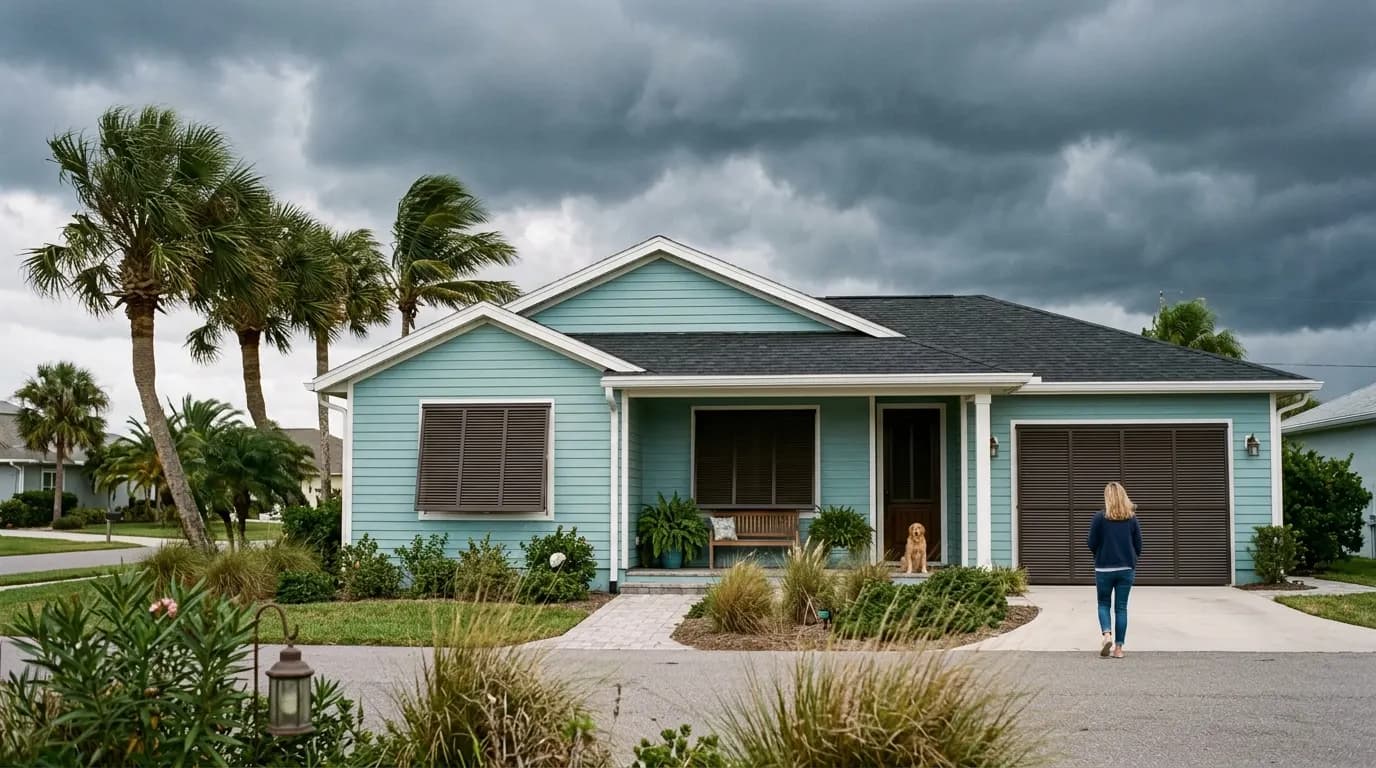
Forecasters often track a hurricane for days before it reaches land. That's time most disasters never give you. The catch is that the most important jobs, like buying flood coverage, learning your evacuation zone, and installing shutters, can't be squeezed into the last 48 hours. So read this guide like a calendar. Each stage has a deadline, and the earliest stages hold the jobs that can't be rushed once a storm has a name.
When should you start preparing for a hurricane?
Start before hurricane season opens on June 1, while stores are stocked and there's no storm on the map. New flood policies usually take 30 days to begin, and a hurricane watch typically comes only about 48 hours before tropical-storm-force winds are expected.
Atlantic hurricane season runs from June 1 through November 30, and peak activity usually comes in late summer and early fall. Spring is the easy window: hardware stores have shutters and generators in stock, you can read your insurance policy without pressure, and there's time to fix what you find. Once a storm is forecast, lines get long and shelves empty fast.
Your hurricane countdown checklist
Work through each stage in order. If a storm is already on the way, jump to the stage you're in and do the earlier items you can still finish.
Before June 1: set up for the season
- Look up your evacuation zone on your county or state emergency management website and write it down.
- Plan two evacuation routes and where you'd stay: a friend inland, a hotel, or a shelter that accepts pets if you need one.
- Read your homeowners or renters policy. Note your hurricane deductible and whether you have flood coverage.
- Install permanent storm shutters, or buy precut exterior plywood for each window and label it.
- Trim trees and remove dead branches near the house.
- Build your supply kit and go bags (see the list below).
- Make your home inventory while everything is dry and in place.
At least 30 days out: lock in flood coverage
- Standard homeowners policies usually exclude flooding and storm surge. If you need flood coverage, buy it now. New policies through the National Flood Insurance Program usually take 30 days to start, though buying one together with a new mortgage is a common exception.
- Ask your agent about contents coverage on the flood policy, since building and contents are often separate.
- Save copies of every policy and your agent's contact information in the cloud.
Hurricane watch: about 48 hours out
- Refill prescriptions and top off your supply kit.
- Fill your car's gas tank and get some cash in small bills.
- Charge phones, power banks, and laptops.
- Bring in patio furniture, grills, trash cans, and anything else wind could pick up.
- Refresh inventory photos of anything new, plus the ground floor and garage, before you start moving things.
- Clear gutters and drains, and check your sump pump.
Hurricane warning: about 36 hours out
- Close shutters or put up plywood. Skip the tape; it doesn't keep glass from breaking.
- Move valuables, electronics, and papers off the floor and to a higher level.
- Turn the refrigerator and freezer to their coldest settings and freeze water jugs to help keep food cold longer.
- Fill bathtubs and large containers with water for cleaning and flushing.
- If officials order your zone to evacuate, go. Storm surge is one of the leading causes of hurricane deaths.
- Before you leave, unplug small appliances and follow local guidance on shutting off utilities.
After the storm passes
- Wait for officials to say it's safe before returning home.
- Stay out of floodwater, which can hide debris, downed lines, and contamination.
- Photograph damage before you clean up, then contact your insurer.
- Run any generator outdoors only (more on that below).
What should be on a hurricane supply list?
Plan on a gallon of water per person per day: several days' worth if you might evacuate, and up to two weeks if you'll stay home. Add nonperishable food, medications, cash, phone chargers, a battery or hand-crank weather radio, flashlights, and copies of important documents.
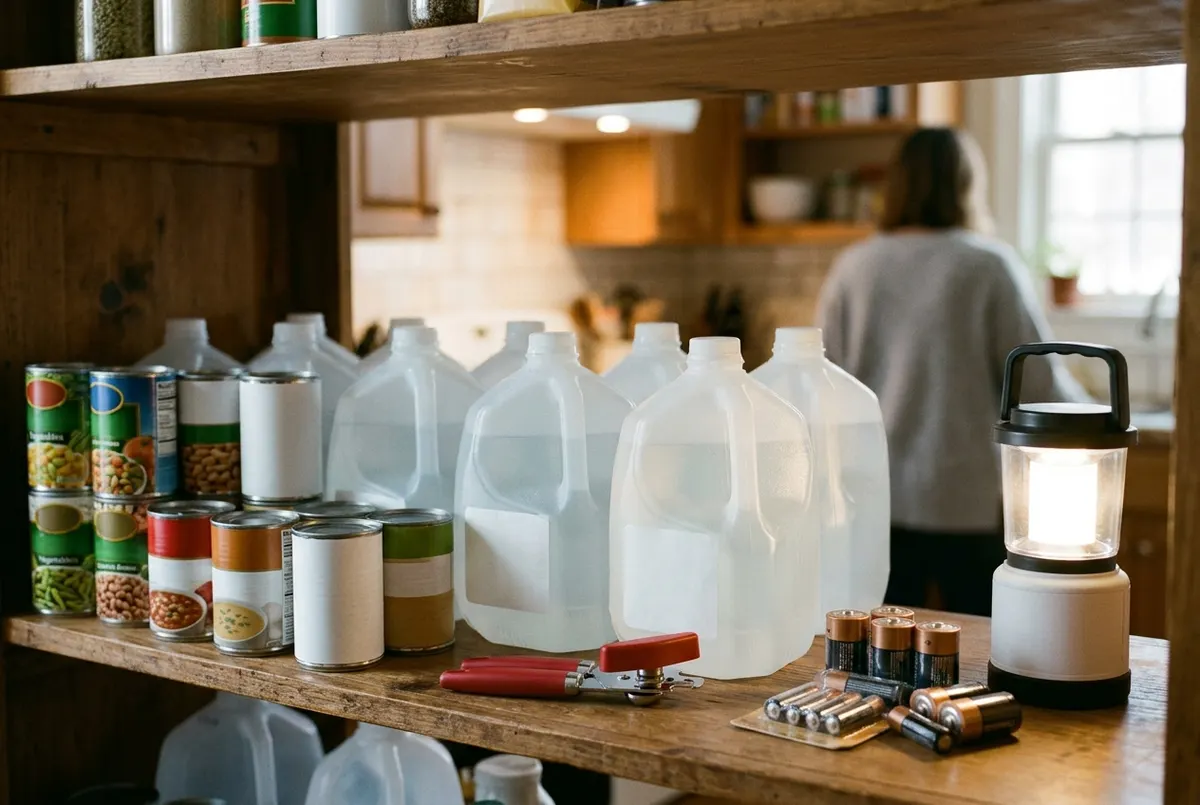
A full hurricane supply list usually includes:
- Water: one gallon per person per day, plus extra for pets.
- Food: canned and dry goods that don't need cooking, and a manual can opener.
- Medications: at least a week's supply, plus copies of prescriptions.
- Light and information: flashlights, lanterns, a battery or hand-crank weather radio, and extra batteries.
- Power: charged power banks and car chargers for phones.
- Money: cash in small bills, since card readers and ATMs may be down.
- First aid and hygiene: a first aid kit, sanitizer, wipes, and garbage bags.
- Documents: IDs, insurance policies, and your home inventory, in a waterproof pouch and in the cloud.
- Comfort and care: baby supplies, pet food and carriers, glasses, and a change of clothes.
- Tools: a wrench for utilities, work gloves, duct tape, and a tarp.
If you're evacuating, pack the grab-and-go version into the car early. If you're staying, plan for long power outages, which can last days or weeks after a strong storm.
What is a hurricane deductible?
In many coastal states, homeowners policies use a separate hurricane deductible that's a percentage of your home's insured value instead of a flat dollar amount, usually 1% to 5%. On a home insured for $300,000, a 2% hurricane deductible means you'd pay the first $6,000 of a covered claim.
Usually handled by your homeowners or renters policy, often subject to the hurricane deductible.
Usually excluded from homeowners policies and covered only by a separate flood policy, with its own deductible.
Here's how the math works on a home insured for $300,000:
| Hurricane deductible | You pay first |
|---|---|
| 1% | $3,000 |
| 2% | $6,000 |
| 5% | $15,000 |
What triggers the hurricane deductible varies by state and insurer. It might apply once a storm is named, or once a hurricane watch or warning is issued for your state, and it can stay in effect for a set period afterward. Check your declarations page, and if the number is high, start setting money aside now.
One storm can cause both kinds of damage, which means you may file with two insurers. That's one more reason to note which floor each item lives on. If you end up with a wind claim and a flood claim, a clear record of what was upstairs and what was on the ground floor makes both conversations simpler. The water side gets its own walkthrough in how to prepare for a flood.
Hurricane prep mistakes that cost people later
- Leaving the inventory for watch day. The 48 hours before landfall belong to shutters, gas, and the car. A home inventory built in spring only needs a quick refresh then, and it already covers every room you might lose.
- Photographing items before moving them. People carry electronics and furniture upstairs before landfall, and the record of what was downstairs disappears. Take the photos first.
- Flood coverage timing. The 30-day wait catches people off guard every season.
- Their hurricane deductible in dollars. A percentage looks small until you multiply it.
- Carbon monoxide detectors. Generators and grills are common causes of poisoning after storms. Make sure your detectors have battery backup.
- Out-of-area contacts. Local networks can be jammed for days.
How do you document belongings before a hurricane?
Build the full inventory before the season starts by photographing every room, the inside of closets and drawers, and serial number labels. In the days before landfall, refresh photos of anything new and of lower-floor items before you move them up, and confirm it's all saved to the cloud before you evacuate.
Do the full walk-through on a quiet spring weekend. Shoot each wall wide, then get close on the expensive pieces. A narrated video works as a backup, but individual photos tied to individual items are much easier to hand an adjuster later. When a watch goes up, twenty minutes is usually enough to reshoot what changed. Start with the rooms most likely to take damage:
- Ground floor and garage: appliances, furniture, tools, bikes, and lawn equipment that rising water would reach first.
- Electronics: TVs, computers, gaming systems, and cameras, with brand, model, and serial number.
- Kitchen: small appliances, cookware, and dishes, which are easy to undercount from memory.
- Bedrooms and closets: clothing, shoes, bedding, and jewelry.
- Outdoor items: patio furniture, grills, and anything you bring inside before the storm.
- Records: receipts, appraisals, and warranties, photographed so they don't depend on the paper surviving.
Doing it with StowFindSell
The pre-landfall refresh is where Bulk Add earns its keep. On Home and Family Pro, you can upload the whole batch of photos you just took of the ground floor at once, and AI Vision suggests a name, category, and estimated value for each item, so forty photos become forty entries without typing them one by one. Treat those suggested values as a starting point and swap in receipt prices where you have them. StowFindSell is a home inventory app that organizes everything by room, so you can see what lives downstairs and what lives up.
Because it lives in the cloud and opens in your phone's browser, your inventory evacuates with you. At claim time it exports as a Proof Pack, either a photo PDF or a CSV with a link to every picture, which you send to each insurer yourself. The home inventory for insurance page shows what goes into a Proof Pack, and how to create a home inventory lays out the full method.
How do you run a generator safely after a hurricane?
Run a portable generator outdoors only, well away from doors, windows, and vents. Never run one inside a home, garage, basement, or crawl space, even with the door open, because carbon monoxide can build up quickly.
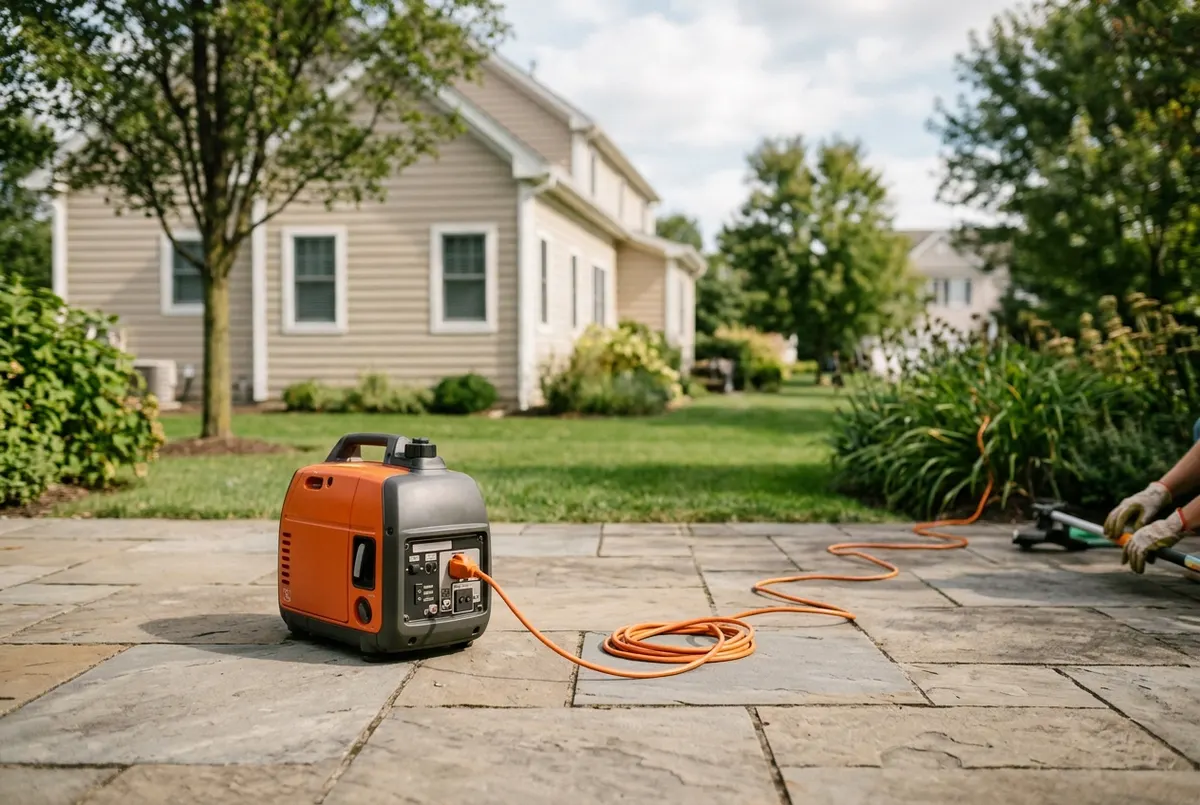
- Install battery-powered or battery-backup carbon monoxide detectors on every level.
- Set it on a dry surface under an open, canopy-style cover if it's raining, never inside an enclosed space.
- Let it cool before refueling, and store fuel away from the house.
- Use heavy-duty, outdoor-rated extension cords.
- Never plug a generator into a wall outlet. A licensed electrician can install a transfer switch if you want to power household circuits.
- If anyone feels dizzy, sick, or weak, get to fresh air right away and call 911.
If the hurricane already hit
Photograph the damage before you clean up, if you can do it safely. Report your claim, write down the claim number, and make temporary repairs to stop more damage, saving every receipt. Keep damaged items until your adjuster has seen them or says they can go.
Without an inventory, sort your list by where things were. Ground-floor and garage items may belong to a flood claim and upstairs items to a wind claim, so splitting them early saves a second round of work. Photos from past summers, delivery confirmations in your email, and the manuals or warranty cards you can still find for appliances all help fill it in. Ask each insurer what proof they want, since wind and flood claims can run on different timelines.
A hurricane is really several hazards arriving together. Storm surge and rainfall flooding fall under flood rules, which our flood preparedness guide covers, and the outer bands can spawn tornadoes well inland, so the tornado shelter checklist is worth a read too. Our home disaster preparedness checklist lines up warning times and coverage for every risk side by side.
Frequently asked questions
What's the difference between a hurricane watch and a hurricane warning?
A hurricane watch means hurricane conditions are possible, usually issued about 48 hours ahead. A hurricane warning means they're expected, usually about 36 hours ahead, and it's time to finish preparations or leave if you're told to.
How do I know if I'm in a hurricane evacuation zone?
Look up your address on your county or state emergency management website now, before a storm. Storm surge is one of the leading causes of hurricane deaths, so leave when officials order your zone out.
Does taping windows help during a hurricane?
No. Tape doesn't keep glass from breaking or protect you from flying debris. Permanent storm shutters are best, and precut exterior plywood is the common fallback.
Does homeowners insurance cover storm surge?
Usually not. Storm surge and other flooding typically need a separate flood policy, while wind damage generally falls under your homeowners policy.
Is it too late to buy flood insurance when a storm is coming?
Often, yes. New flood policies through the National Flood Insurance Program usually have a 30-day waiting period, with a few exceptions, so a policy bought days before landfall typically won't cover that storm.
Should I stay or evacuate?
If officials order an evacuation for your zone, go. If you aren't in a zone and your home is sturdy, you may be able to shelter in place, but plan to leave if conditions change. Mobile and manufactured homes usually aren't safe in hurricane winds, so plan to leave even if you're outside an evacuation zone.
How long should I plan to be without power?
After a strong hurricane, outages can last days or weeks. Plan your food, water, medications, and charging around that possibility.
Finish your inventory before the first storm has a name
Build your inventory in spring, refresh it when a watch goes up, and your records will travel with you if you ever have to evacuate.
Start your 30-day trial